
Recent evacuations of residential tower blocks in London have highlighted structural safety concerns of reinforced concrete transfer slabs. With engineers identifying potential defects that could result in sudden structural collapse, building owners must consider whether similar risks could exist within their own property portfolios.
What Happened in Canning Town?
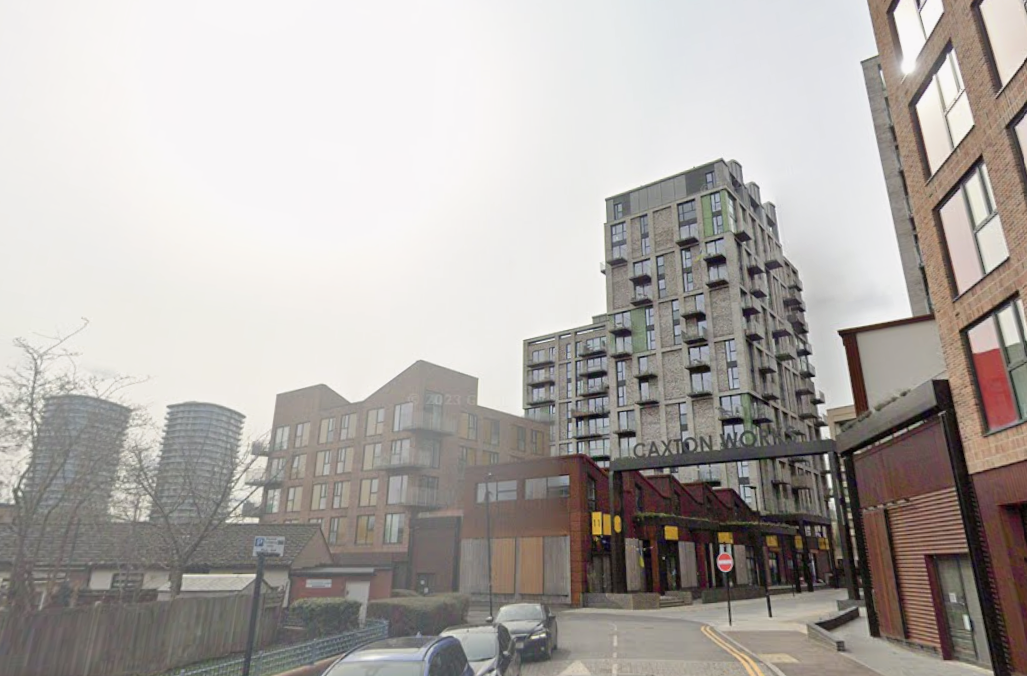
In October 2026, five residential tower blocks at the Royal Gateway development, also known as Caxton Works, in Canning Town, East London, were evacuated following significant concerns regarding their structural integrity.
Despite the development being less than ten years old, structural engineers identified suspected defects relating to the reinforced concrete transfer slabs supporting the buildings, leaving them at what engineers described as a “risk of a sudden collapse”.
The concerns were initially identified during a review of the original structural drawings as part of the preparation of building safety cases, with subsequent inspections reinforcing the need for further investigation.
Hundreds of residents have been displaced, whilst further structural investigations, temporary protective measures and potential remediation solutions are being explored.
The incident highlights the importance of understanding how buildings have been constructed and identifying potential structural vulnerabilities before they develop into significant safety concerns.
What Are Reinforced Concrete Transfer Slabs?
Illustrative diagram showing how a transfer slab redistributes structural loads between different column arrangements.
Reinforced concrete transfer slabs are structural elements designed to redistribute the weight of a building where load-bearing columns on upper floors do not align with the supporting columns beneath them.
They provide architects and developers with greater flexibility when designing buildings that require different layouts across multiple floors.
Transfer slabs have been widely used in UK construction for over 25 years, particularly within:
- High-rise residential developments
- Mixed-use developments
- Buildings with underground or ground-floor car parks
- Residential developments above commercial or retail premises
- Buildings with large, open-plan spaces on lower floors
Whilst transfer slabs are an established construction method, their design and assessment can be particularly complex.
What are the Structural Risks Associated with Transfer Slabs?
One of the primary concerns surrounding reinforced concrete transfer slabs is a structural failure mechanism known as punching shear.
Punching shear occurs when concentrated forces around a column exceed the resistance of the surrounding concrete slab, potentially causing the column to penetrate the slab and compromise its ability to support the structure above.
Unlike some other forms of structural deterioration, punching shear failure can occur suddenly and with limited warning, potentially resulting in partial building collapse.
Potential contributing factors include inadequate steel reinforcement within the concrete, errors in original structural design calculations, insufficient slab thickness or load-bearing capacity, and poor construction practices or deviations from approved designs. Structural integrity may also be compromised over time by deterioration caused by water ingress and reinforcement corrosion, as well as subsequent building alterations or changes to structural loading.
The presence of a transfer slab does not automatically mean a building is unsafe. However, understanding its design, construction and condition is essential to determining whether further investigation is necessary.
Growing Industry Concerns and Regulatory Guidance
Concerns surrounding transfer slabs have been developing across the construction and building safety sectors for several years.
November 2024
The Institution of Structural Engineers (IStructE) published dedicated design guidance addressing inconsistencies and gaps in existing engineering guidance for new reinforced concrete transfer slabs.
December 2025
The Building Safety Regulator (BSR) issued correspondence to building owners and Principal Accountable Persons highlighting potential structural safety concerns.
January 2026
The Royal Institution of Chartered Surveyors (RICS) issued a practice alert to raise awareness amongst surveying professionals.
October 2026
Five residential blocks at the Caxton Works development were evacuated following engineering investigations.
The Building Safety Regulator is continuing to investigate the extent of the issue and how potential risks can be managed proportionately across existing buildings.
Building owners should remain informed as further guidance becomes available.
What are the Warning Signs of Transfer Slab Defects?
Whilst structural defects are not always visible, there are several potential indicators that building owners and property managers should be aware of.
| Warning Sign | Potential Concern |
| Cracking within concrete slabs | Structural distress |
| Cracking around columns | Localised structural stress |
| Sagging or unusual floor movement | Excessive structural deflection |
| Doors becoming difficult to open | Potential structural movement |
| Persistent water ingress | Reinforcement deterioration |
| Cracking in rigid floor finishes | Potential movement of the slab |
These indicators do not necessarily confirm a structural defect. However, where concerns are identified, professional advice should be sought promptly from a suitably competent structural engineer.
Importantly, the absence of visible defects does not provide assurance that a transfer slab is structurally adequate.
What should Building Owners and Accountable Persons be doing?
Building owners, housing providers and property managers should consider a proactive approach to understanding and managing the structural risks across their portfolios.
| Recommended Action | Purpose |
| Identify buildings containing transfer slabs | Establish which assets may require further consideration |
| Review original structural drawings | Understand the building's design and construction |
| Commission specialist structural assessments | Investigate potential design or construction deficiencies |
| Review historical alterations | Identify changes that may have affected structural loading |
| Implement structural monitoring where advised | Identify changes in condition over time |
| Review building safety case reports | Ensure relevant structural risks and mitigation measures are documented |
| Develop remediation plans | Address identified defects where necessary |
| Communicate with residents | Ensure residents are appropriately informed |
Where there are concerns regarding immediate structural safety, urgent specialist advice should be sought and appropriate emergency procedures followed.
The BSR has stressed that identifying a transfer slab does not, in itself, warrant the evacuation of a building. Decisions must be informed by the individual circumstances and level of risk.
Transfer Slabs and the Building Safety Act 2022
The Building Safety Act 2022 has placed greater emphasis on the identification, assessment and management of structural safety risks within occupied higher-risk residential buildings in England.
Accountable Persons must demonstrate that they understand the building safety risks associated with their buildings and have appropriate measures in place to manage them.
For buildings containing reinforced concrete transfer slabs, this may require additional structural investigations, reviews of existing documentation and updates to building safety case reports. Certain structural safety occurrences may also trigger mandatory reporting requirements.
The events in Canning Town demonstrate the value of developing comprehensive building safety cases, with the initial concerns identified through a review of historical structural documentation.
A building safety case should not simply be viewed as a regulatory requirement, but as an opportunity to identify and address potentially serious risks.
How Can Firntec Help?
At Firntec, we provide specialist Structural Risk Assessments and Structural Investigations to help building owners, housing providers and property managers better understand and manage the structural integrity of their buildings.
Our Structural Risk Assessments help identify potential structural vulnerabilities, including those associated with reinforced concrete transfer slabs, through a review of existing documentation, construction methods and building condition. These assessments can help establish whether further specialist investigations are required and support the development of building safety case reports.
Where potential defects or structural concerns are identified, our Structural Investigations can support a more detailed understanding of the building's condition, the nature and extent of any defects and the associated risks. This helps building owners make informed decisions regarding monitoring, risk mitigation and remedial works.
Whether you have identified reinforced concrete transfer slabs within your buildings or are looking to better understand structural risks across your property portfolio, Firntec can provide the technical expertise and practical guidance needed to support building safety and regulatory compliance.
Contact our team today to discuss your structural safety requirements.