













.png?width=397&height=365&name=CPDmember%20(1).png)
 A Practical Guide to When an Intrusive Structural Survey Is Required" />
Understanding the condition of a building’s structure has never been more important. As regulatory expectations continue to evolve, particularly following the Building Safety Act 2022, there is a clear and important shift towards evidence-based decision making. For many buildings, this means moving beyond visual inspections and considering when intrusive structural surveys are necessary.
While not every project will require opening-up works, there are scenarios where a non-intrusive approach simply does not go far enough. This guide outlines when an intrusive structural survey is likely to be required, and how to approach it in a practical, proportionate way.
What Is an Intrusive Structural Survey?
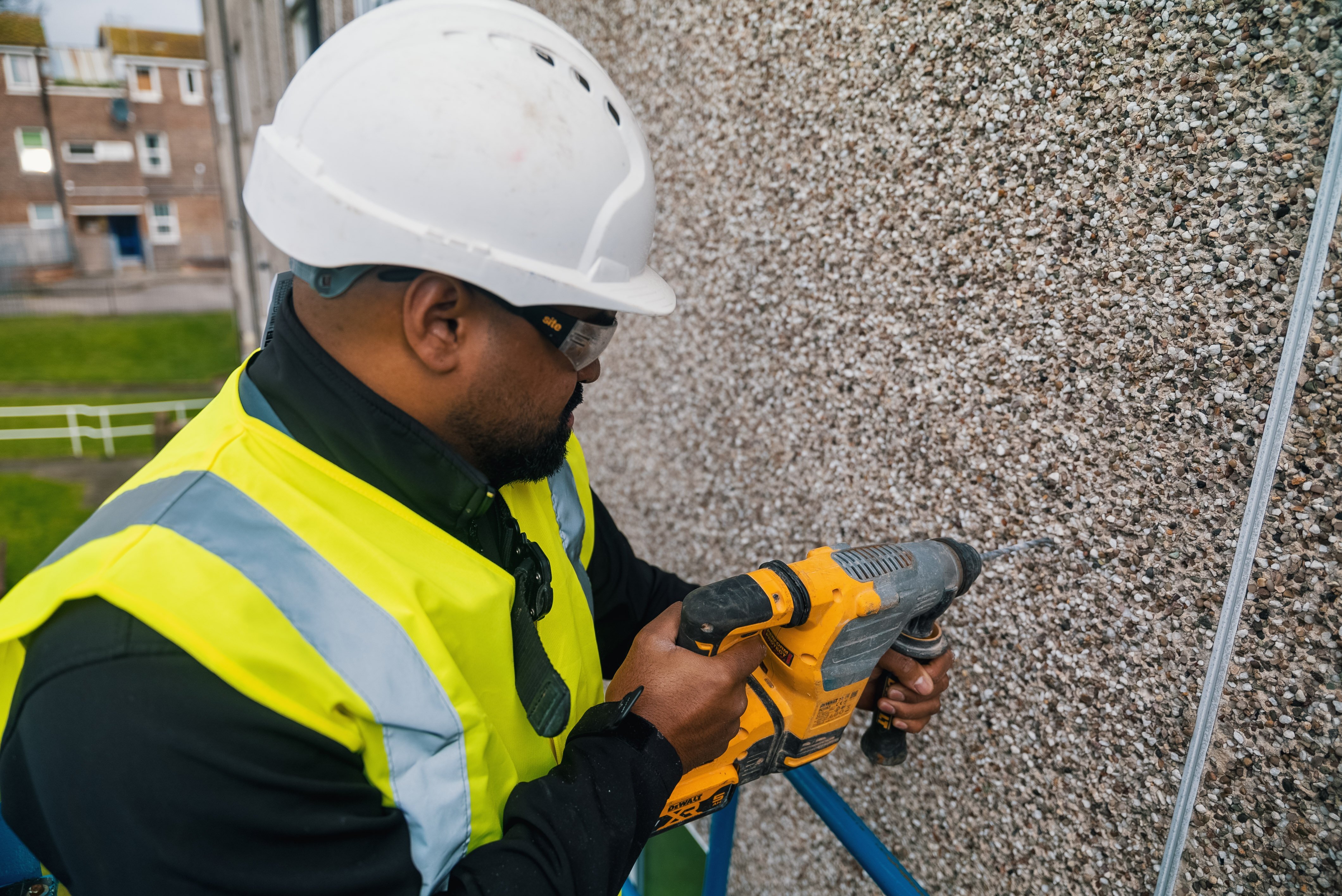
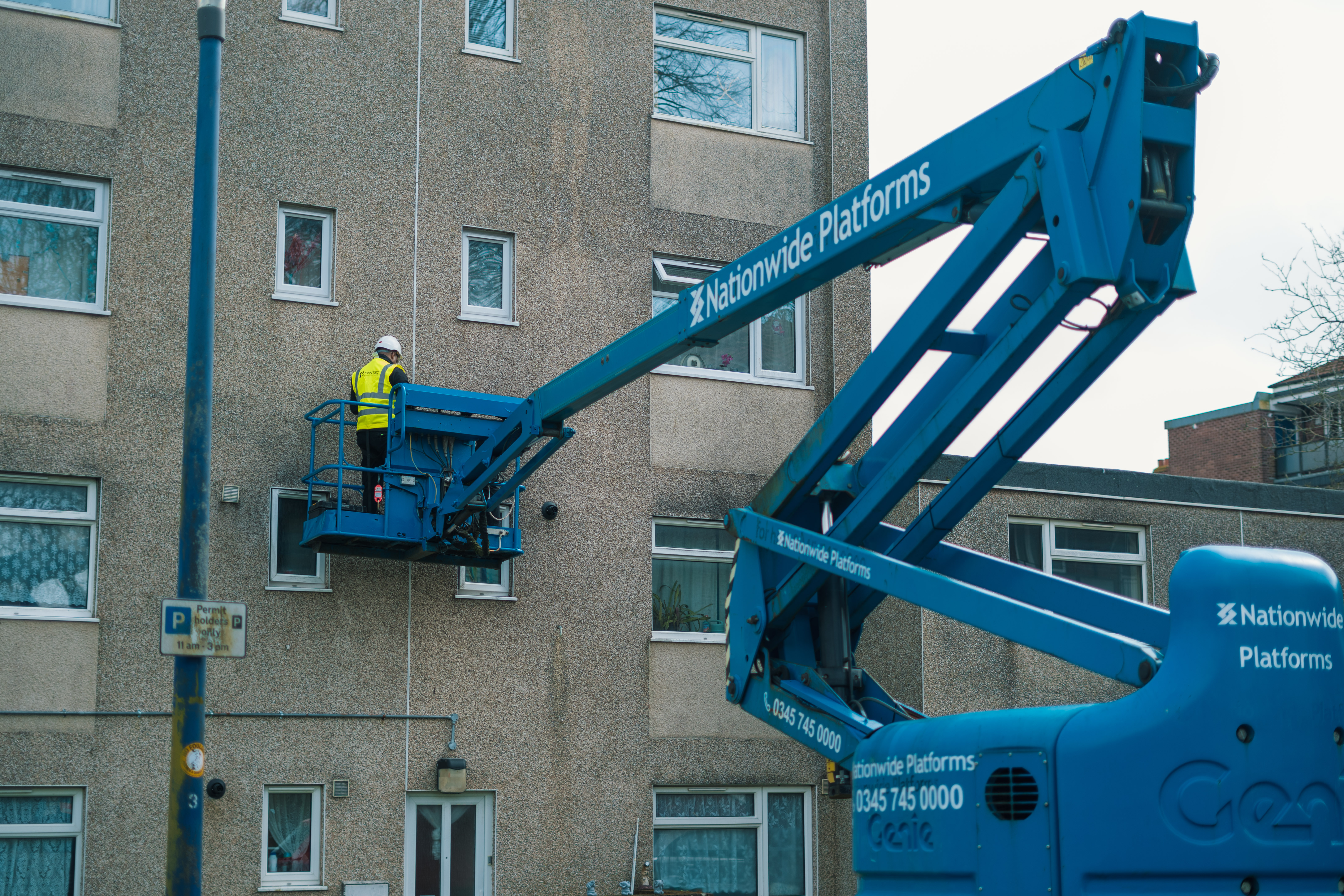
An intrusive structural survey, sometimes known as a structural investigation, involve physically exposing elements of a building to assess their condition, construction and performance. This may include opening up walls, floors or ceilings, as well as carrying out material testing such as concrete sampling or reinforcement inspection. There are many different types and strategies used depending on the structure and the uncertainty within it.
Unlike visual surveys, which rely on surface-level observations, intrusive investigations provide further detailed insight into how a building has been constructed and how the structure is performing over time.
Why Intrusive Surveys Are Becoming More Common
There has been a noticeable shift across the industry towards greater requirements of building information, and rightfully so! Dutyholders and responsible persons are now expected to demonstrate a clear understanding of their buildings, supported by reliable data rather than assumption.
This is particularly important in the UK, where much of the built environment is ageing and often constructed with a 50-60 year lifespan in mind. As buildings move beyond their original lifecycle expectations, assumptions around performance become less and less reliable. Intrusive structural surveys provide the assurance needed to confirm that key structural elements are still performing as intended, or to identify where deterioration, defects or non-compliance may exist.
In practice, this means that where uncertainty remains, particularly in higher-risk or complex buildings, intrusive investigations are often the only way to provide the level of confidence required. This is especially relevant when supporting Safety Case reports, remediation strategies or significant refurbishment works.
.jpg?width=6240&height=4160&name=Cardiff-HRB%20(23).jpg)
When is an Intrusive Structural Survey Required?
The below is not an exhaustive list, but highlights the most common scenarios where Firntec would recommend further structural investigation.
Following Fire Risk Assessments or FRAEWs
Where a Fire Risk Assessment or External Wall Assessment identifies potential structural concerns, further investigation is often required to validate and evidence findings. This is especially relevant where the construction details are unknown or where defects are suspected behind finishes.
As Part of Planned Benchmark Inspections
Intrusive structural surveys should also be considered as part of planned benchmark inspections, incorporating durability-focused investigations. These are typically undertaken every 15–20 years, when a building undergoes a functional change, or where routine inspections identify a concern, whichever comes first.
They are particularly important for buildings constructed between the 1950s and 1970s. Where benchmark investigations have not previously been carried out, it is advisable to commission them regardless of whether visible defects are present, as latent defects may exist.
When Construction Details Are Unknown or Incomplete
Many existing buildings, particularly older or repeatedly modified assets, lack accurate or complete records. In these cases, intrusive investigations may be the only reliable way to confirm structural form, materials and connections.
Where There Are Signs of Deterioration or Defect
Visible signs such as cracking, movement, water ingress or corrosion can indicate deeper structural issues. Intrusive surveys allow these issues to be properly investigated, rather than relying on surface-level assumptions.
This is particularly important for concrete structures, where issues such as carbonation or chloride ingress may not be visible but can significantly impact long-term performance.
To Support Safety Case and Compliance Requirements
For higher-risk buildings, particularly those falling under the scope of the Building Safety Act 2022, there is an increasing expectation to evidence building safety through robust data.
Intrusive structural surveys can play a key role in supporting this, providing the level of detail required to demonstrate that your buildings risks are understood and importantly, appropriately managed.
Before Major Refurbishment or Remediation Works
Intrusive surveys are commonly required prior to carrying out significant works, particularly where structural elements may be altered, exposed or relied upon. Without a clear understanding of the existing performance of the building, there is a risk of design assumptions being incorrect, leading to potential safety concerns during delivery.
During Change of Use or Building Reconfiguration
Similar to the above, where a building is being repurposed or significantly altered, the original design assumptions may no longer apply. Intrusive surveys help ensure that the structure is suitable for its new use and can safely accommodate any additional loads or changes.
Balancing Risk, Cost and Disruption
It’s important to recognise that intrusive surveys are not without impact. Opening-up works can be disruptive, particularly in occupied buildings, and require careful planning to minimise inconvenience to residents or building users.
However, a targeted and proportionate approach can significantly reduce disruption. Surveys are typically based on strategic sampling, focusing on areas of highest risk or uncertainty, rather than full-scale exposure of all elements. Firntec have a dedicated team who manage this effectively, reducing the risk, cost and disruption within your building.
Firntec’s Final Thoughts
As expectations around building safety and compliance continue to rise, structural surveys, intrusive or not, are an essential tool in understanding and evidencing how buildings perform and where risks may exist.