











.png?width=397&height=365&name=CPDmember%20(1).png)
.jpg) Gateway 2 – Part 3 Q&A Answered" />
Gateway 2 – Part 3 Q&A Answered" />
Following our recent Gateway 2 CPD webinar, we received a significant number of questions from attendees about how the Gateway 2 process is working in practice.
Across Parts 1 and 2 of this series, we have covered everything from the scope of Gateway 2 and Higher-Risk Building (HRB) definitions to fire doors, emergency works, Gateway 3 and the types of work that may trigger an application.
In this final instalment, we answer the remaining questions from the session, looking at design responsibility, procurement, the Building Safety Levy, application fees, product compliance and many others.
1. How should challenges with Gateway 2 approval for residential misting systems be approached?
Where approval concerns arise around a specialist system such as high-pressure residential misting, a robust technical justification is particularly important.
This should be supported by appropriate fire engineering evidence, product certification and testing data, alongside a clear explanation of how the proposed system satisfies the relevant regulatory requirements.
Early coordination between the design team, fire engineer and other key stakeholders can help identify potential issues before submission. Where concerns remain, an independent specialist review may also help strengthen the evidence supporting the proposed solution.
2. Does Gateway 2 require contractors to be appointed early in the design process?
Not necessarily. Clients can retain greater responsibility for the design through later RIBA stages before appointing a contractor, provided the relevant statutory dutyholder requirements are met.
The procurement route should be structured so that the Principal Designer and Principal Contractor can fulfil their respective duties appropriately throughout the project.
Whether a two-stage design-and-build approach is suitable will depend on the complexity of the project, the procurement strategy and how design responsibility and risk are allocated.
3. What is the Building Safety Levy and what could it mean for projects?
The Building Safety Levy is intended to contribute towards the cost of remediating historic building safety defects.
It is expected to apply to certain new residential developments, with charges linked to characteristics of the development. This means developers will need to consider the potential additional cost when planning and budgeting for future projects.
Detailed implementation arrangements and final charging mechanisms should be confirmed through the relevant regulations before commencement.
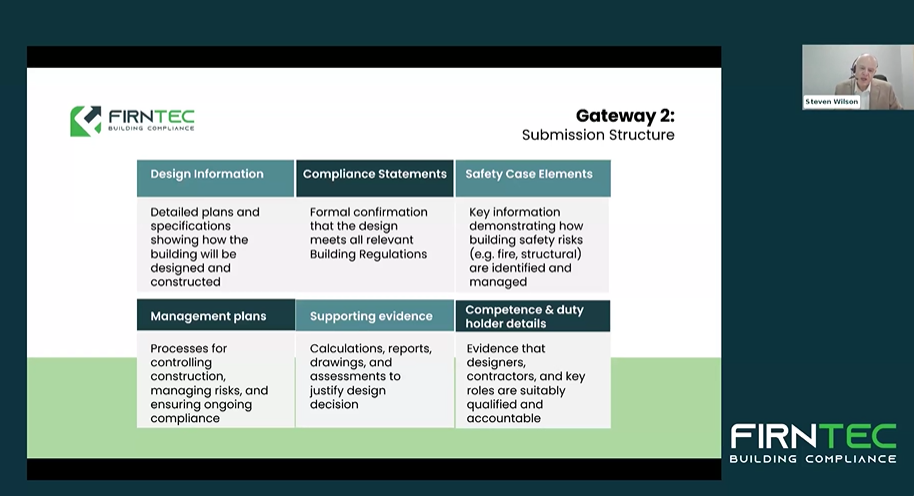
4. What happens to the application fee if a Gateway 2 application is rejected?
If an application is rejected at the initial stage, the original application fee still applies.
Where an applicant subsequently resubmits, this is treated as a new application and a further fee is payable.
Portal-based change control submissions are also chargeable. Routine notifications following approval, such as updates to a project start date submitted by email, are not treated in the same way.
5. Can a lack of product compliance evidence prevent a Gateway 2 application from progressing?
Yes. The availability and quality of technical evidence can have a significant impact on the progress of a Gateway 2 application.
Submissions need to demonstrate appropriate technical evidence and tested outcomes, with a clear relationship between the proposed design, relevant regulatory requirements and project-specific reports.
Where a specified product or proposed solution cannot be adequately evidenced as compliant, there is a risk of further information being requested, delays to the application or potentially rejection.
This makes early review of proposed products and specifications particularly important, especially where specialist contractors identify potential compliance concerns during the tender process.
6. Can reporting through the Building Remediation Hub conflict with a BSR application?
No widespread formal conflicts have been reported, but consistency between different submissions is important.
Organisations should ensure that information provided through remediation programmes aligns with the information submitted to the BSR. Differences in the stated scope, design information or proposed solutions could lead to further scrutiny or requests for clarification.
Maintaining coordinated and accurate information across each process can therefore help reduce potential complications.
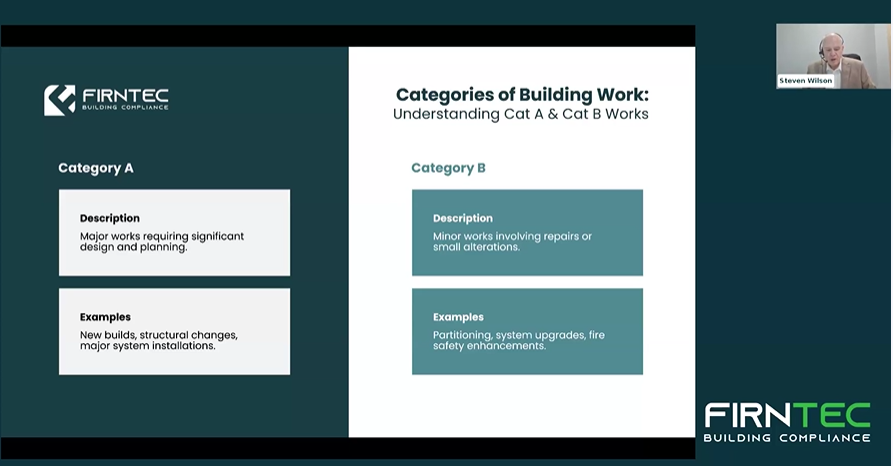
7. How do late design changes affect a Gateway application?
Late design changes need to be managed through the appropriate change control process.
A clear record should be maintained detailing what has changed, who made the decision, how the change was approved and whether it has any impact on building safety.
Minor changes may be capable of being managed through change control, while more significant changes could require a fresh application. This makes effective change management an important consideration throughout the project rather than something addressed only at completion.
8. Are there different Gateway requirements for social landlords and non-profit organisations?
There are currently no separate Gateway requirements specifically for social landlords or non-profit organisations.
Government guidance, consultation exercises and engagement with the sector are intended to help understand how building safety requirements affect different organisations. However, providers continue to raise concerns around the potential cost, capacity and programme implications of meeting the requirements.
For organisations managing large housing portfolios in particular, early planning and understanding how Gateway requirements could affect future programmes of work can be important.
9. Can Gateway information be made easier for residents to understand?
Yes. Technical and regulatory information can be translated into clearer, more accessible communications that help residents understand what the Gateway process involves, likely timescales and some of the reasons projects may experience delays.
Firntec can support organisations in developing resident-friendly versions of technical Gateway information. We can also review existing resident communications for accuracy and help ensure complex information is presented clearly and appropriately.
To discuss support with resident communications, contact marketing@firntec.com.
10. Why might similar Gateway 2 applications receive different outcomes?
Even where buildings or proposed works appear similar, each application is assessed according to the information submitted for that particular project.
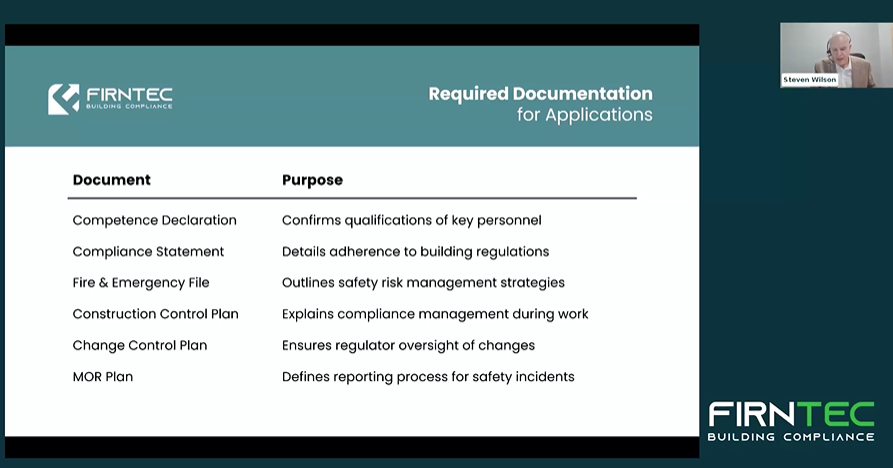
Reported reasons for rejection or requests for further information include missing documentation, unclear competence declarations, missing client letters of authority, missing scale drawings, insufficient technical evidence and gaps in coordinated project information.
The overall quality and completeness of the submission can therefore be just as important as individual technical elements. Similar projects should not necessarily be assumed to receive identical outcomes.
11. Do fire doors have a defined lifespan or replacement cycle?
There is no universal mandatory replacement period for a fire door purely based on its age.
Fire doors should instead be regularly inspected and maintained, with decisions around replacement considering factors such as their condition, performance, certification evidence, damage, previous modifications and suitability for the building's current use.
An older fire door may remain serviceable where it continues to meet the required performance, while another may require replacement considerably sooner because of its condition or alterations.
12. Is a digital evidence trail required alongside paper records?
Yes. Documents, drawings and supporting evidence need to be digitally captured, uploaded and maintained as part of the building safety case and golden thread.
A paper trail alone is unlikely to provide the information management approach required by the BSR process, which relies on digital submissions and the maintenance of an accessible, reliable source of information.
Establishing effective information management from the beginning of a project can therefore make it easier to maintain the evidence trail as designs develop, changes are made and works progress.
Bringing Our Gateway 2 Q&A Series to a Close
Across this three-part series, we have answered 36 questions submitted by attendees of our Gateway 2 CPD webinar, highlighting both the breadth of the new regime and the practical challenges organisations are encountering as they apply it to live projects.
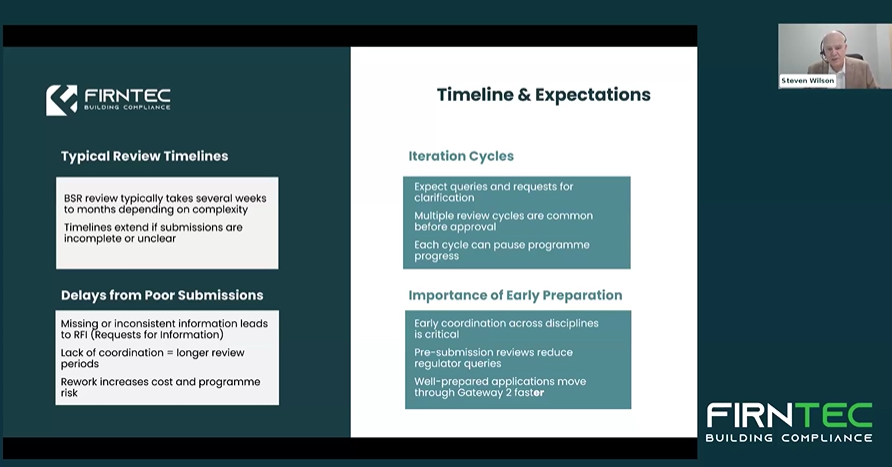
One consistent theme throughout the questions has been the importance of preparation. Understanding the scope of the proposed works, establishing responsibilities early, coordinating information and maintaining a robust evidence trail can all help organisations approach the Gateway process with greater clarity.
We would like to thank everyone who attended the session and submitted questions. The level of engagement throughout the webinar has helped us explore some of the practical issues building owners, landlords, consultants and project teams are currently navigating.
Support with Your Gateway 2 Submission
As this Q&A has highlighted, navigating Gateway 2 requires detailed planning, coordinated information and a clear understanding of the evidence expected throughout the process. Firntec can support clients with the preparation and management of Gateway 2 submissions, bringing together the required documentation, technical information and project evidence to help create a clear and comprehensive application. From early-stage advice through to submission and responding to BSR queries, our building safety specialists can provide support throughout the Gateway 2 process.
Continue Your Building Safety CPD with Firntec
Firntec regularly hosts CPD sessions, webinars and industry events covering the evolving building safety and compliance landscape.
Keep an eye on our website and LinkedIn page for details of upcoming sessions. If your organisation requires support with Gateway applications, building safety consultancy or understanding the requirements affecting a particular project, speak to the Firntec team.
Disclaimer: These responses reflect current understanding of the Higher-Risk Building regime and industry experience at the time of writing. They are provided for general guidance only and do not constitute legal or regulatory advice. Requirements may vary depending on project-specific circumstances and the interpretation of the Building Safety Regulator (BSR). Organisations should seek project-specific professional advice where appropriate.

.jpg)
.jpg)
.jpg)