













.png?width=397&height=365&name=CPDmember%20(1).png)
.jpg) Your Gateway 2 Questions Answered – Part 1" />
Your Gateway 2 Questions Answered – Part 1" />
Firstly, thank you to everyone who joined our Gateway 2 webinar on 11th September 2026.
The session generated a huge number of questions and interaction throughout, with attendees submitting more questions than we were able to cover off during the webinar itself. From the scope of Gateway 2 applications and fire door replacements to emergency works, templates and current review timescales, the questions really highlighted just how many practical challenges organisations are encountering when navigating the Higher-Risk Building (HRB) regime.
We received over 60 questions in total, so rather than trying to cover everything in one article, we will be publishing a three-part Q&A series addressing the questions raised by attendees.
In Part 1, we answer the first 12 questions from the session.
1. If only one wing of a building is being refurbished, does the Gateway 2 submission need to cover the whole building?
Where a building has multiple wings but they form a single HRB registration and share key services such as lifts, sprinklers and fire alarm systems, the submission would generally be expected to consider the building as a whole.
While the physical works may only relate to one wing, the application would ordinarily include wider building information such as drawings, hydrant locations, access arrangements and the overall building context.
The submission should clearly identify that the proposed works are confined to one area and explain how potential impacts on the remaining wings and residents will be managed. The exact information required may vary depending on the project and the BSR’s interpretation.
2. Why is student accommodation included within the HRB criteria while hotels are excluded?
The government’s position is based primarily on the nature of occupation rather than building use alone.
Student accommodation is considered residential because occupants typically live there as their primary residence for extended periods. Hotels generally operate under different management, occupancy and fire safety arrangements.
There continues to be industry discussion around mixed-use and seasonally operated accommodation, particularly where student accommodation may operate in a similar way to a hotel outside term time. However, no significant change to the HRB definition has been introduced.
3. If a smoke ventilation system is not working, can replacement works be treated as emergency works?
If works relate to a fire safety system within an HRB, they are likely to be treated as Category A work.
However, where the failure creates an immediate risk to life safety, emergency works provisions may apply to allow the system to be made safe and operational.
It is important to distinguish between the immediate repair required to address the risk and any wider planned replacement or upgrade. Works beyond the immediate emergency repair would normally need to follow the appropriate Gateway process.
4. Can emergency works include hazards presenting imminent harm under Awaab’s Law or WHQS requirements in Wales?
Potentially, where there is a genuine and immediate risk to the health, safety or welfare of occupants.
However, emergency works provisions should not be viewed as an alternative route for planned improvement or remediation programmes. The urgency and severity of the individual situation need to be considered when determining the appropriate approach.
5. Is a self-certification route being introduced for fire door replacements in HRBs?
There is currently no confirmed self-certification or Competent Person route for fire door replacements within HRBs.
Flat entrance door replacements still need to follow the Gateway process. There has been industry discussion around whether fire doors or fire stopping could become exempt or potentially fall under a competent work route in the future, but no change is currently in place and there is no confirmed implementation date.
6. Could landlords submit a Gateway application in advance for future fire door replacement programmes?
In principle, this may be a practical approach where future fire door replacements are anticipated and the proposed scope can be clearly defined.
Based on current industry understanding, a whole-building Gateway 2 application may be capable of covering an approved programme of replacement works.
However, organisations would need to ensure that any approval remains valid, that subsequent works remain within the agreed scope and that relevant commencement requirements have been satisfied. Project-specific advice should therefore be sought before relying on an existing approval for future phases of work.
7. When would fire safety enhancements be considered Category A rather than Category B work?
The classification will depend on the nature and scope of the proposed work.
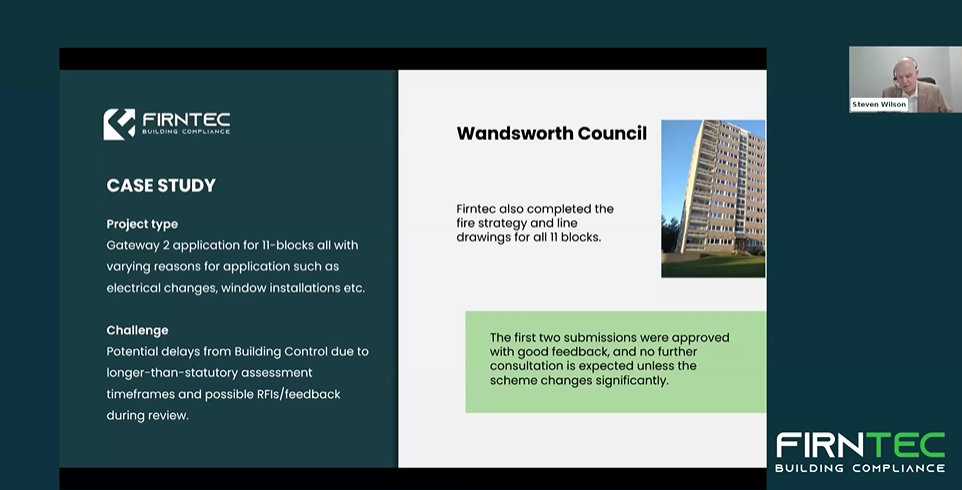
Based on current industry practice and regulatory interpretation, replacement of fire doors within an HRB is generally treated as Category A work. It is therefore likely to require a Gateway application unless a relevant exemption applies or future regulatory changes introduce an alternative route.
8. Is there a Competent Person Scheme for installing flat entrance doors in HRBs?
At present, there is no confirmed Competent Person Scheme that provides an alternative route for the installation of flat entrance doors within HRBs.
These works still need to follow the Gateway process.
An exemption or competent work route could potentially be introduced in the future, but this remains under discussion and there is currently no confirmed timescale for such a change.
9. What happens when building requirements change after plans have already been submitted?
This will depend on the transitional arrangements associated with the particular legislative or regulatory change.
In some circumstances, projects may be permitted to continue under requirements that applied when the original application was submitted. In others, new requirements could apply before the building is completed.
This is particularly important for long-running projects. Developers should review the specific transitional provisions associated with the relevant legislation and seek project-specific advice where necessary.
10. Can AI-generated templates be relied upon as legal evidence for Gateway applications?
AI can be a useful tool for supporting administrative and information-management processes, but AI-generated content should not be relied upon as legal evidence without thorough professional review and validation.
Potential risks include factual inaccuracies, outdated references to regulations, missing project-specific information and uncertainty around accountability.
Ultimately, the organisation making the submission remains responsible for the information provided to the BSR, regardless of how that information was initially produced. Any AI-generated content should therefore be appropriately reviewed and validated by competent professionals before being incorporated into a submission.
11. How can housing delivery targets be achieved alongside increasingly complex regulatory requirements?
There is no single answer to balancing housing delivery with the additional cost, time and complexity associated with regulatory requirements.
However, earlier design coordination and project planning can help organisations anticipate requirements rather than addressing them later in the programme.
Greater standardisation of compliant designs, investment in digital information management and considering Gateway requirements from project inception can also help teams prepare more effectively.
The relationship between building safety requirements and housing delivery remains an ongoing policy challenge across the sector.
12. How long are Gateway 2 applications currently taking to review?
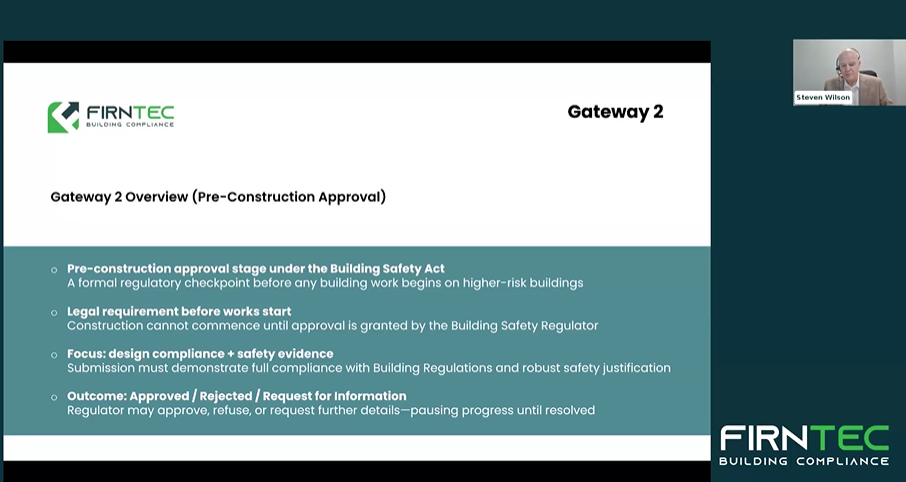
The published target for Gateway 2 reviews is eight weeks. However, experience reported by applicants across the industry suggests that applications can take significantly longer in some circumstances, particularly where additional information is requested or regulator workloads are high.
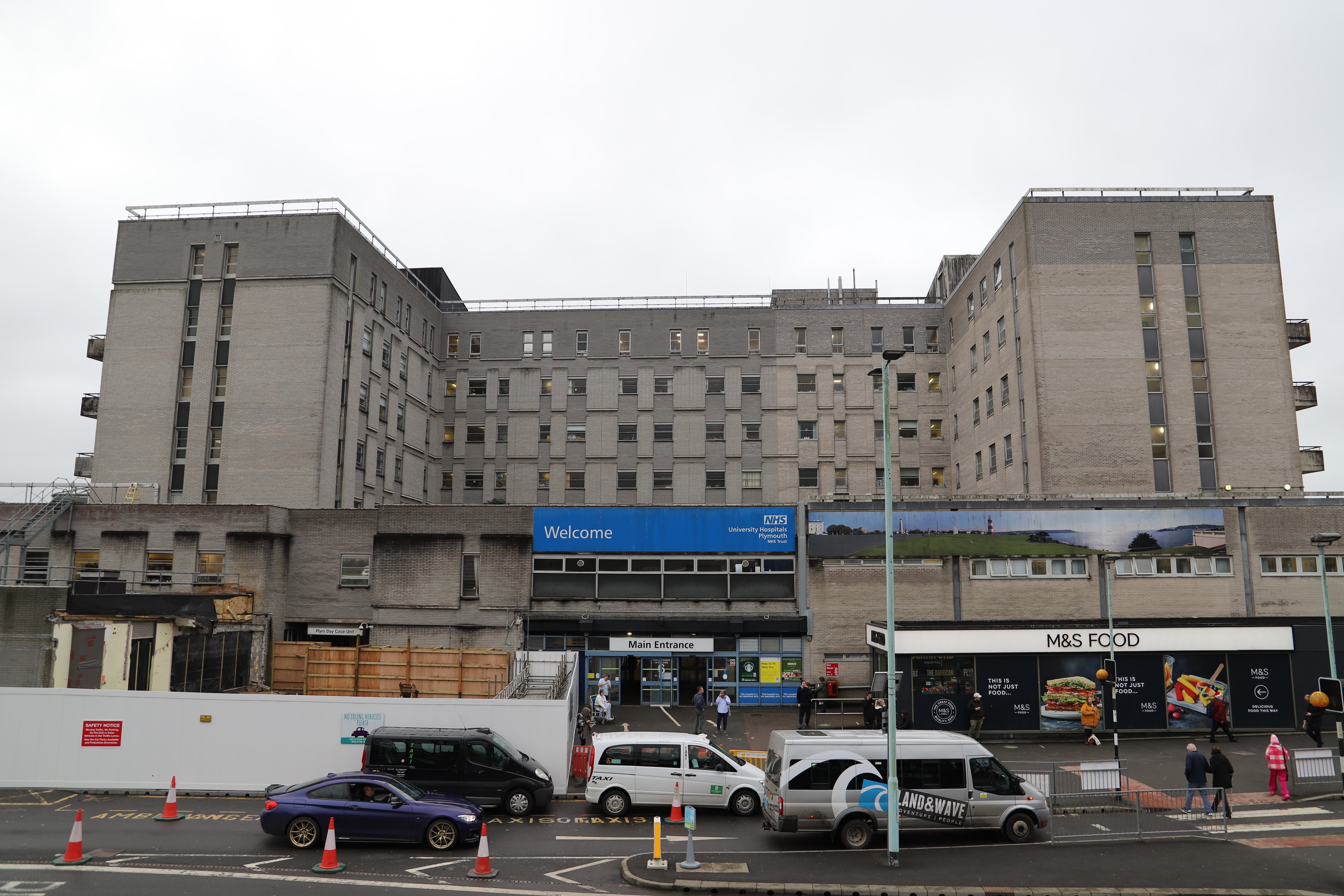
Hospital refurbishment applications do not currently appear to follow a separate process from other HRB applications.
Applicants may also be asked to agree to an extension to the review period. Experiences vary considerably between projects, so previous application timescales should not necessarily be treated as an indication of how long another submission will take.
Where an applicant does not agree to a requested extension, the outcome will depend on the individual circumstances and the BSR’s assessment of the application.
More Gateway 2 Questions Answered
Thank you again to everyone who attended our Gateway 2 CPD webinar and contributed questions during the session. The volume and detail of the questions we received really do demonstrate the practical challenges organisations are facing in regards to completing works whilst adhering to the gateway process.
With so many questions submitted, there is plenty more for us to cover.
Part 2 of our Gateway 2 Q&A series will explore further questions around multiple HRBs, cladding refurbishment, Gateway 3, maintenance and repair works, emergency works and the circumstances in which different types of building work may trigger the Gateway process. Keep an eye on socials as this will likely go live next week.
Part 3 will then look at further Gateway 2 application considerations, design responsibility, late changes, fees, the Building Safety Levy, resident communication and maintaining an appropriate evidence trail.
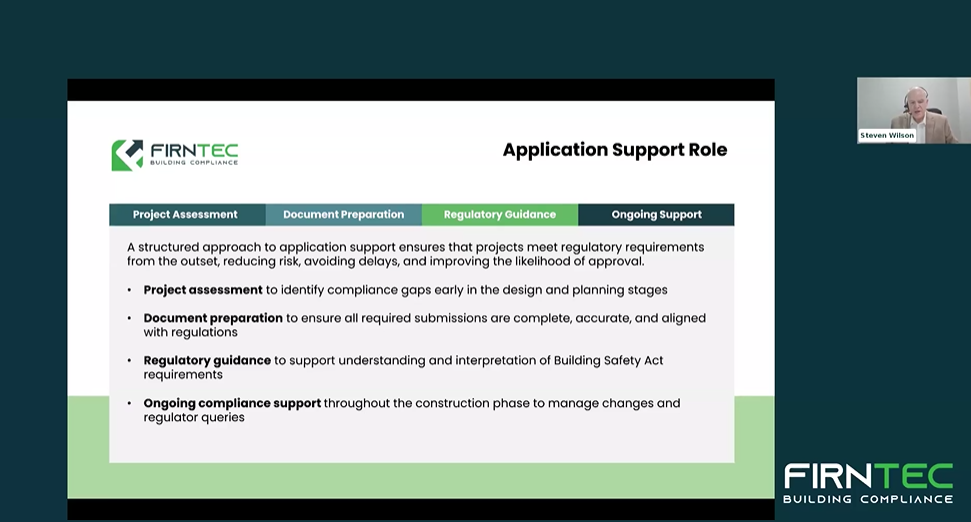
Importantly, If your organisation is preparing for Gateway 2 or needs support understanding how the process could apply to planned works, Firntec can provide specialist building safety and fire engineering consultancy throughout the process including managing your gateway 2 submissions.
Keep Up to Date with Firntec
Our webinars and events are designed to help building safety, compliance and property professionals keep up to date with regulatory developments and understand what they mean in practice. Keep an eye on Firntec’s website and LinkedIn page for details of upcoming webinars, CPDs and industry events, and your next opportunity to join the conversation.
Disclaimer: These responses reflect current understanding of the Higher-Risk Building regime and industry experience at the time of writing. They are provided for general guidance only and do not constitute legal or regulatory advice. Requirements may vary depending on project-specific circumstances and the interpretation of the Building Safety Regulator. Organisations should seek project-specific professional advice where appropriate.

.jpg)
.jpg)