












.png?width=397&height=365&name=CPDmember%20(1).png)
.jpg) Occupation Phase Reforms in Wales and the Role of Safety Case Reports" />
Occupation Phase Reforms in Wales and the Role of Safety Case Reports" />
Wales is moving towards a new occupation phase building safety regime that will introduce ongoing duties for owners and managers of multi occupied residential buildings. This regime is being introduced through the Building Safety (Wales) Bill currently progressing through the Senedd and will sit under the wider framework created by the Building Safety Act 2022 as it is implemented in Wales.
While significant progress has been made through new higher risk building procedures that are coming into force on 1st July 2026, the broader occupation framework including safety case requirements is still progressing through the legislative process and has yet to become law.
Although the full regime is not yet in effect, it is advancing quickly and will fundamentally change how building safety is managed after construction. Organisations responsible for higher risk buildings should start preparing now by considering how future duties such as safety case reporting will impact their estates and operations.
Buildings Potentially In Scope Under the Welsh Regime
To understand the scale of impact, it is useful to consider the number of buildings that may fall within scope of the Building Safety Bill (Wales) framework:
-
The estimated number of category 1 buildings in Wales is approximately 180.
-
The estimated number of category 2 buildings is around 449.
-
Category 3 buildings are estimated at circa 51,000.
-
There are also approximately 15,000 houses in multiple occupation across Wales.
The categories under the proposed Building Safety (Wales) regime are used to classify buildings based on height, risk profile and complexity so that regulatory oversight can be applied proportionately.
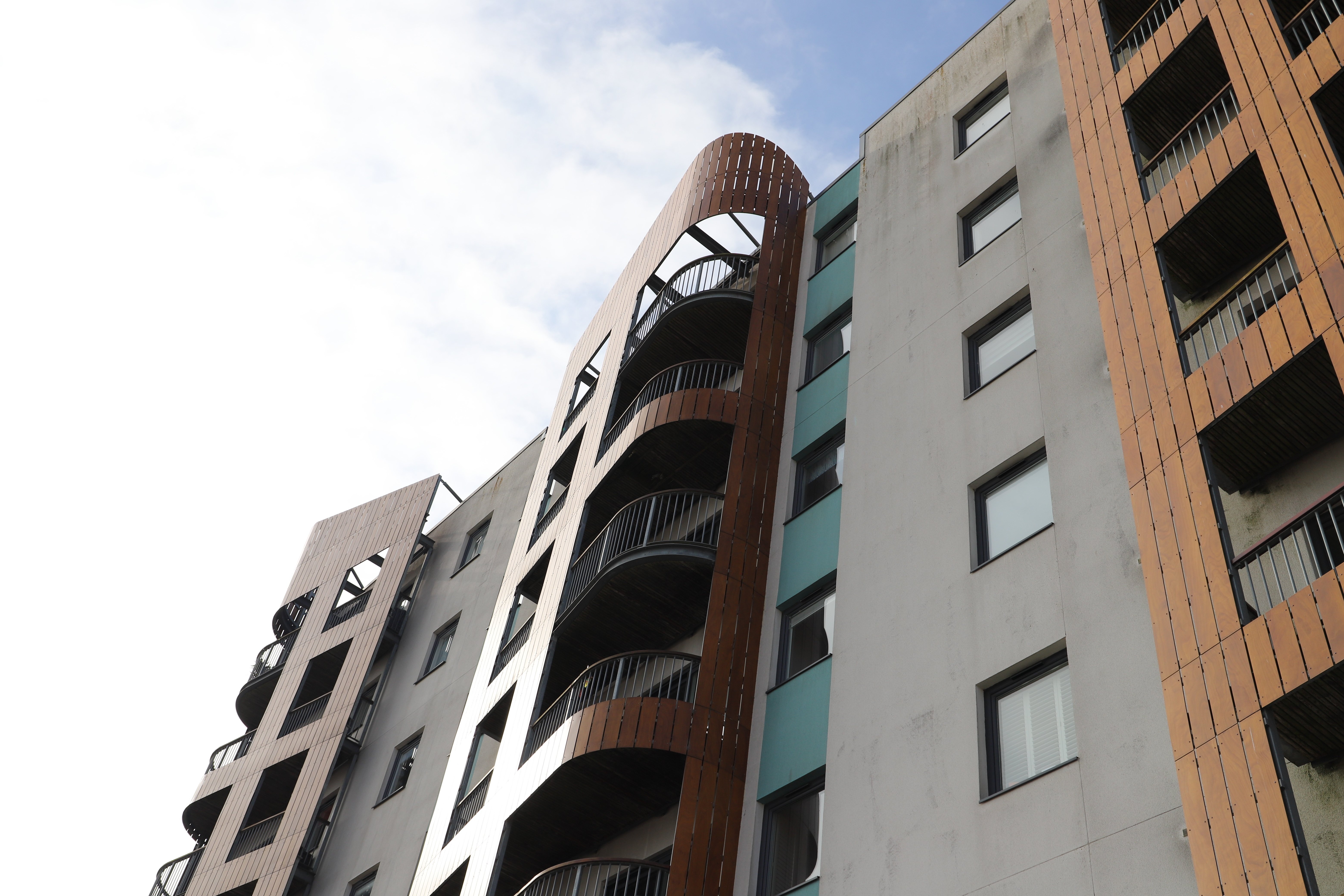
Category 1 buildings typically represent the highest risk properties, generally those at least 18 metres in height or seven storeys with at least one residential unit, and attract the most detailed scrutiny including formal registration, structured digital golden thread records and clear identification of an accountable person.
Category 2 buildings sit below the highest risk tier but still require structured safety management and documented oversight, with proportionate golden thread records and clear responsibility for fire and structural safety.
Category 3 buildings cover the broadest group, often including lower rise multi occupied residential properties and houses in multiple occupation that fall within scope of the wider framework; these buildings are subject to lighter regulatory intervention but still require appropriate safety documentation and record keeping to ensure risks are managed effectively.
While these numbers are estimates, they demonstrate that the regime extends beyond a small group of high-rise properties and potentially affects a significant number of multi occupied residential buildings across Wales. Data from StatsWales.
What is a Building Safety Case likely to include?
Similar to England, a building safety case is expected to be a structured body of evidence demonstrating how fire and structural risks are:
- Identified
- Assessed
- Controlled
- Monitored over time
One of the essential points to understand, is that this is not a one-off report. It is a living framework showing that the Accountable Person understands the building, understands its risks, and has systems in place to manage them.
It will also likely form part of a building certificate application, meaning compliance will depend on the ability to clearly evidence ongoing safety management rather than simply relying on legacy documentation.
Although the digital golden thread of information will support this process by ensuring accurate records are maintained, the focus of the Safety Case Report is on the clear articulation of risk control and governance. Regulators will expect to see not only that information exists, but that it is understood and used to inform risk management decision making.
.jpg?width=6240&height=4160&name=Cardiff%20(63).jpg)
Although these obligations are not yet in effect, organisations responsible for multi occupied residential buildings should begin preparing now to understand how these changes will impact their long-term compliance and risk management responsibilities. You can follow the progress of the Bill through the Senedd.
If you would like support assessing whether your building falls within Category 1 or to begin preparing a compliant Safety Case Report, speak to Firntec today.