












.png?width=397&height=365&name=CPDmember%20(1).png)
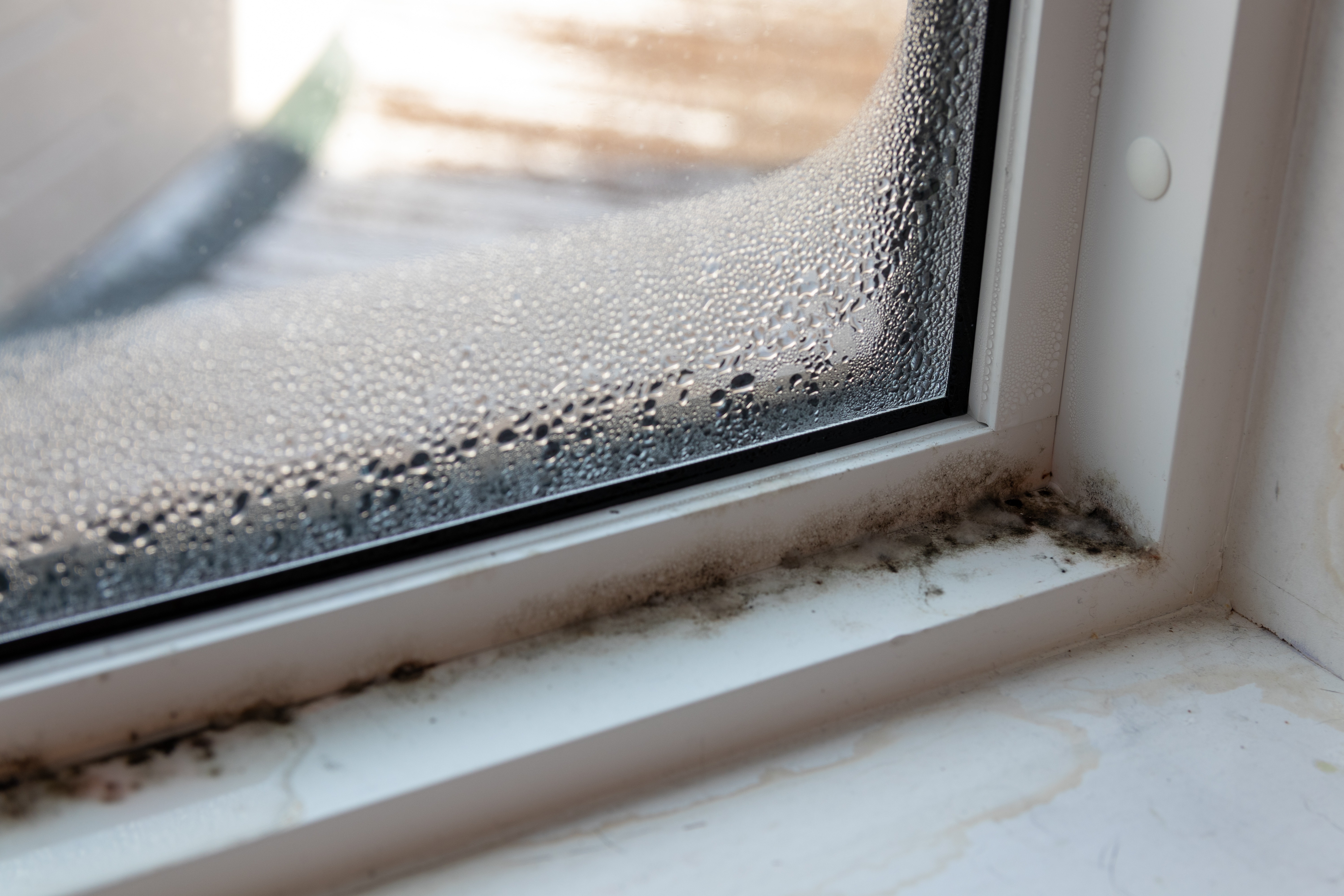
Awaab’s Law, named after Awaab Ishak and first introduced in England in October 2025, is now being translated into Scottish law to tackle serious housing hazards such as damp and mould. The aim is to ensure tenants live in safe, healthy homes and that landlords respond to certain hazards within clear, mandatory timescales.
In Scotland, this framework is being implemented through the Investigation and Commencement of Repair (Scotland) Regulations 2026. If approved by the Scottish Parliament, these Regulations will create the Scottish equivalent of Awaab’s Law and apply statutory duties across the rented sector from 6 October 2026.
Alongside these Regulations, amendments to the Housing (Scotland) Bill will broaden Scottish Ministers’ powers to impose enforceable timeframes on social landlords to investigate disrepair and begin repairs through secondary legislation.
Why This Matters
Serious damp and mould can significantly affect tenant health, particularly for people with respiratory conditions, young children and older adults. Historically, landlords in Scotland have had duties under the Repairing Standard and the Tolerable Standard, but these did not prescribe fixed and enforceable investigation and repair start deadlines.
The 2026 Regulations change that position by introducing clear timelines and communication duties once a landlord becomes aware that a property may be affected by damp or mould.
Social Housing Landlords
Statutory Timescales
For registered social landlords, the Regulations introduce specific and enforceable duties in relation to damp and mould that present a risk to health.
Once a landlord becomes aware that a property is or may be affected by damp or mould, they must:
• Investigate within 10 working days
• Provide the tenant with a written summary of the investigation within 3 working days of completing it
• Commence any necessary repair work within 5 working days of concluding that work is required
If circumstances outwith the landlord’s control prevent compliance within these timescales, the landlord must explain the reasons to the tenant, set out a revised timeframe and take reasonable steps to minimise the risk in the meantime.
Relationship with Existing Standards
Registered social landlords must already comply with the Scottish Housing Quality Standard. The SHQS requires homes to be free from rising or penetrating damp, to have satisfactory ventilation and to meet minimum energy efficiency standards.
The new Regulations do not replace those obligations. Instead, they introduce mandatory response times, strengthening enforcement and accountability where damp and mould are reported or identified.
Housing (Scotland) Bill Amendments
Amendments to the Housing (Scotland) Bill will strengthen Ministers’ powers to set statutory investigation and repair start timescales for social landlords through regulations. This provides a clear legislative foundation for the new duties and enables future refinement of timeframes if required.
Private Landlords
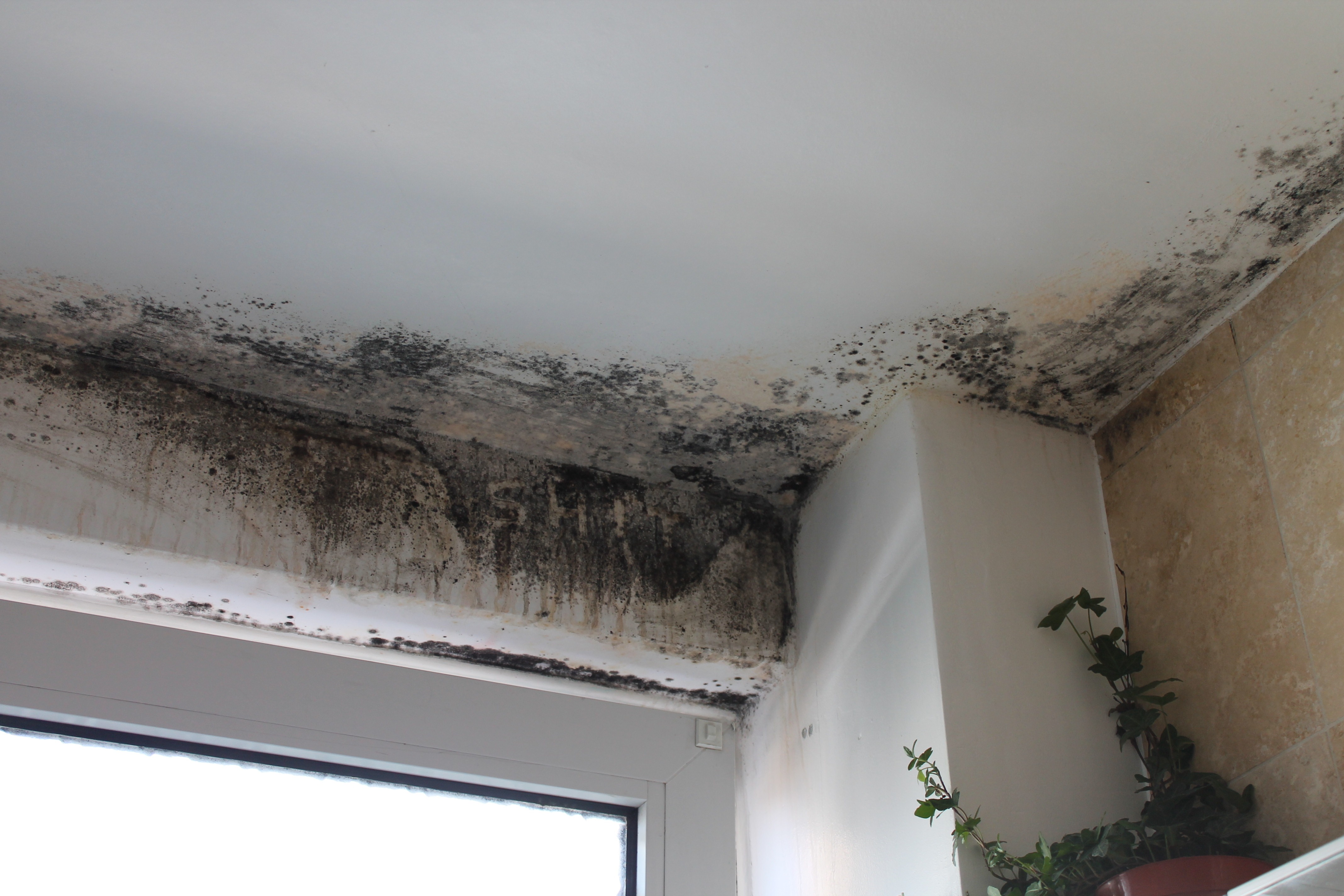
The Investigation and Commencement of Repair (Scotland) Regulations 2026 will also apply to the private rented sector.
Private landlords will be required to comply with the same core timescales as social landlords once they become aware that a property may be affected by damp or mould.
They must:
• Investigate within 10 working days
• Provide a written summary of the investigation within 3 working days of completion
• Commence necessary repair work within 5 working days where qualifying work is identified
These duties apply where the landlord becomes aware of the issue through a tenant report, inspection or any other means.
Where compliance within the timescales is not possible due to circumstances beyond the landlord’s control, the landlord must inform the tenant, explain the reasons, confirm a revised timescale and take reasonable steps to mitigate the problem.
The Scottish Government has also confirmed its commitment to consider how Awaab’s Law principles will continue to be implemented for private tenants using existing statutory powers, following engagement with the sector.
What This Means for Landlords and Agents
Across both sectors, landlords and managing agents should now:
• Review repairs and reporting procedures
• Ensure inspections can be arranged quickly
• Train staff to identify and escalate damp and mould cases
• Strengthen record keeping and written communication processes
• Ensure contractor capacity aligns with statutory commencement deadlines
From October 2026, responding promptly to damp and mould will not simply be best practice. It will be a statutory requirement backed by clear timescales and potential enforcement consequences.
How Firntec can help
Engaging early with comprehensive damp and mould surveys, detailed inspections and tailored remedial advice helps uncover moisture-related issues and underlying causes before they escalate, supporting ongoing compliance and better long-term outcomes for properties and tenants. Speak to one our of experts today to discuss your property portfolio.